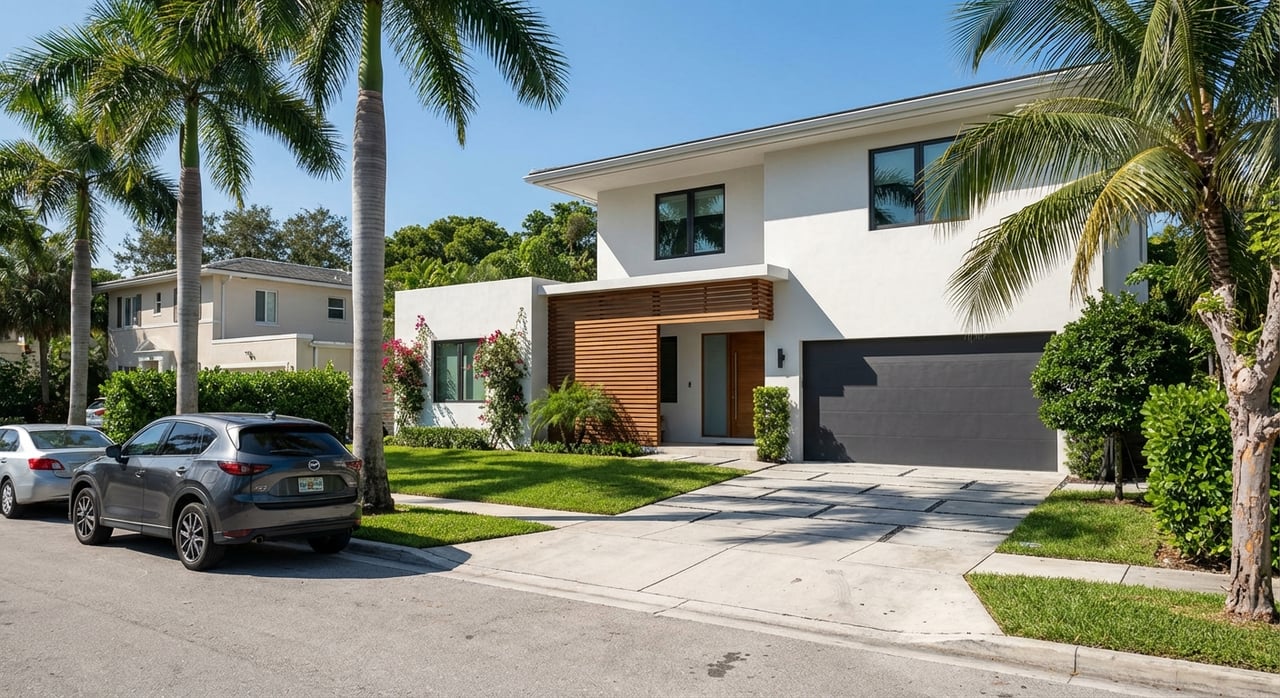
Dreaming of a home steps from Las Olas Boulevard where you can stroll to dinner, hop on the Riverwalk, and be close to the beach? You’re not alone. Buying “off Las Olas” comes with real lifestyle perks, plus a few street-level details you’ll want to understand before you write an offer. In this guide, you’ll learn what changes block by block, how parking and noise really feel, and the flood, seawall and insurance checks that matter in this coastal market. Let’s dive in.
What “off Las Olas” really means
When locals say a home is “off Las Olas,” they usually mean it’s within an easy walk of the commercial stretch of Las Olas Boulevard, roughly 0 to 3 blocks. This catchment spans the neighborhoods just north and south of the Boulevard, including Victoria Park, Colee Hammock, Beverly Heights, Rio Vista, and the Las Olas Isles.
The core commercial mile of Las Olas, between Andrews Avenue and A1A, is the city’s dining and retail spine with curbside cafes, later evening foot traffic, and a compact urban feel. For a quick overview of the area’s role as a lifestyle hub, see this neighborhood snapshot of the Las Olas corridor and Riverwalk attractions from a local center’s guide. Las Olas City Centre’s area overview provides general context.
Street-by-street lifestyle
- One block off the Boulevard: You get top-tier walkability and a steady rhythm of evening activity. Expect more ambient sound and busier curb space during peak dining hours.
- Two to three blocks north (Victoria Park, Colee Hammock, Beverly Heights): Streets are tree-lined with a mix of older homes, tasteful renovations, and townhomes. Nights tend to feel calmer while still walkable to restaurants.
- South of the Boulevard (Rio Vista and the Las Olas Isles): Rio Vista reads as established residential. The Isles are waterfront, yacht-oriented, and command higher prices. The look and feel can change immediately from street to street.
Home types and lot patterns
- Waterfront Isles: Primarily single-family estates with private docks, deep-water access, and seawalls. Buyers focused on boating prioritize dock depth, navigation to the inlet, and seawall condition. Waterfront ownership also brings higher maintenance and insurance considerations.
- Inland single-family: In Victoria Park and Rio Vista, you’ll see “Old Florida” bungalows, mid-century homes, and newer rebuilds on modest lots compared with suburban Broward. Many homes have driveways and garages; guest parking often relies on the curb.
- Townhomes and small infill buildings: Closer to the Boulevard, you’ll find tri- and four-story townhomes and small condo buildings. These trade yard space for proximity and may include HOA rules about parking and short-term rentals.
What to note in listings:
- Seawall and dock details if waterfront
- Lot frontage and any waterfront footage
- Garage and driveway capacity
- HOA rules and parking limitations
- First-floor elevation and year of any seawall or shoreline work
Walkability, transit and parking
Las Olas rates highly for everyday walkability. An East Las Olas address shows a Walk Score in the mid-70s, which counts as “Very Walkable,” with many errands possible on foot. You can review a block-level snapshot on Walk Score for East Las Olas Boulevard.
You’ll also find multiple bus lines serving the beach and downtown, downtown rail options within a short drive for regional trips, plus water taxis and the Riverwalk for non-car mobility. That said, the closer you live to the commercial core, the more you’ll feel parking pressure during peak hours.
- On-street meters and garages: Meter hours and rates vary by block, and some meters extend into the evening. You can see the framework for meter operations in the city code, which sets rules for heavily used areas. Review the City of Fort Lauderdale parking code section on meters for reference.
- Residential Parking Permit (RPP) districts: Several adjacent neighborhoods use RPP programs to protect curb space. If you expect to host guests regularly, verify whether the property’s block is within an RPP zone and how guest passes work. Check the Residential Parking Permit Programs.
Practical takeaway: A driveway plus a garage is a major quality-of-life upgrade near the Boulevard. If a listing lacks off-street guest parking, plan for some friction on weekends and during season.
Noise, nightlife and local rules
Las Olas is Fort Lauderdale’s go-to dining and nightlife corridor. Activity peaks most evenings and especially during high season from November through April. Events like river and boat parades or art festivals can temporarily close streets and draw larger crowds.
The city enforces objective noise standards. For residential uses, amplified sound that is “plainly audible” from 25 feet is prohibited between 10:00 p.m. and 7:00 a.m. and at 50 feet from 7:00 a.m. to 10:00 p.m. Review the enforceable language in Fort Lauderdale’s noise ordinance, Section 17-7.
If a home is or could be used as a vacation rental, know that Fort Lauderdale requires operators to include city noise and guest obligations in their lease materials. See the vacation rental standards for context.
Buyer tip: If evening quiet is a must, visit any candidate property after 8–10 p.m. on a weekend to sample ambient sound and parking firsthand.
Flood, seawalls and insurance
Much of Fort Lauderdale sits in FEMA flood zones. Whether flood insurance is required, and how much you might pay, depends on the property’s flood-zone designation and elevation. The city participates in the National Flood Insurance Program’s Community Rating System, which currently provides about a 20% premium discount for participating residents. For an overview of local flood resources and insurance basics, start with the city’s page on floods and flood insurance.
For waterfront homes, seawalls are a key system to evaluate. Broward County and the City have adopted higher seawall standards to address tidal flooding and sea-level rise, and many owners have completed or planned replacements accordingly. You can review the county’s regional guidance on seawall standards and resilience.
What to request during due diligence:
- FEMA flood zone, FIRM panel, and any Elevation Certificate
- Flood insurance premium history
- Seawall and dock age, inspection reports, and permit history
- Any recorded non-conversion agreements for enclosed space below the required elevation
If you need to verify permits or plan improvements, the city’s zoning and permitting pages outline seawall and dock requirements. Save this for escrow: Fort Lauderdale zoning and permitting.
Price context at a glance
- Las Olas Isles waterfront: Typical home values sit in the multi-million-dollar range and generally command the highest prices in the Fort Lauderdale core.
- Nearby inland neighborhoods: Victoria Park and Rio Vista tend to price below the Isles, ranging from high six figures into the low seven figures depending on size, finish, and proximity to the Boulevard.
These ranges move with the market. When you’re active, check the latest neighborhood medians and relevant comps for the specific block and home style.
Smart search filters for your MLS portal
Use filters that match how you plan to live:
- Location: Draw a 0.1–0.5 mile radius around the commercial Las Olas corridor, or target Victoria Park, Colee Hammock, Rio Vista, and the Las Olas Isles.
- Property type: Single-family and townhome; add “waterfront” and “dock” if boating matters.
- Parking: Garage spaces set to at least 1; prioritize off-street parking.
- Flood and insurance: Note the FEMA zone in agent remarks; request the Elevation Certificate early.
- Lot and frontage: Track lot width and any waterfront footage.
- HOA: Confirm rental policy and short-term rental rules for townhomes or small condos.
- Year built and updates: Ask for seawall age and permit details if waterfront.
Five questions to ask at every showing
- “Can you share the property’s FEMA flood zone and a copy of any Elevation Certificate or flood insurance premium history?” The city’s flood page helps frame why this matters. See Fort Lauderdale floods and insurance.
- “If it’s waterfront: When was the seawall last inspected or replaced, and can I review the dock and seawall permit history?” Cross-check permits through Fort Lauderdale zoning and permitting.
- “Is this block inside a Residential Parking Permit district or subject to employee-parking restrictions? How do you handle guest parking?” You can verify the program structure here: Residential Parking Permit Programs.
- “Have there been any noise or code enforcement complaints in the past 24 months, and is there a registered vacation rental certificate on file?” The city outlines vacation rental obligations in Section 15-278.
- “Are there active or recent permits for structural work or any enclosed space below the required elevation that could trigger substantial improvement rules?” If yes, budget and planning may change.
Your on-site checklist
- Visit twice: once midday and once after 8 p.m. on a weekend. Note sound, curb availability, and traffic.
- Walk the block: Read meter hours, RPP signs, and any private-parking notices. Look for tide staining on curbs or structures.
- Measure parking: Check driveway width and garage depth to ensure vehicles fit and guests can park comfortably.
- Document context: Photograph nearby curb capacity, late-operating businesses, and any seawall or dock conditions.
A simple decision framework
- Choose within one block if you want maximum walkability and accept more evening activity and parking demand.
- Target one to three blocks back (Victoria Park, Rio Vista) if you prefer calmer nights but still want an easy walk to dinner.
- Go waterfront on the Isles if boating and private dockage are your priorities, and add thorough seawall and flood due diligence to your plan.
Tradeoffs to weigh:
- Parking convenience versus walkability
- Waterfront lifestyle versus maintenance and insurance
- Nightly quiet versus proximity to restaurants and events
- Long-term flood and seawall planning versus near-term budget
Ready to explore homes off Las Olas?
You deserve a trusted advisor who knows these streets by heart and brings investor-grade diligence to your search. If you want a clear plan, hands-on showings, and smart negotiation when you find “the one,” connect with Hanh Dinh for a personalized consultation.
FAQs
How does living one block off Las Olas differ from three blocks away?
- One block off the Boulevard you get top walkability with more evening activity; two to three blocks back you’ll usually feel calmer nights with the same easy access to restaurants.
What parking issues should I expect near Las Olas restaurants?
- Metered spaces can be limited and may run into the evening, and some blocks use Residential Parking Permit programs; a driveway and garage reduce daily friction.
What flood and insurance documents should I request before making an offer?
- Ask for the FEMA flood zone, any Elevation Certificate, flood insurance premium history, and for waterfront homes the seawall inspection reports and permit records.
Are there enforceable quiet-hours near Las Olas homes?
- Yes. The city prohibits amplified sound that is plainly audible at set distances, including between 10:00 p.m. and 7:00 a.m. for residential uses under Section 17-7.
What special checks apply to waterfront homes on the Las Olas Isles?
- Verify seawall age and condition, dock depth and access, recent or needed seawall upgrades under regional standards, and any permits or engineering reports on file.