Wondering if you should buy on the water or inland in Coral Ridge? You’re not alone. This is one of the most important choices buyers make in Fort Lauderdale, and it shapes your lifestyle, maintenance, and long‑term costs. In this guide, you’ll learn exactly what changes when you pick a canalfront home versus an inland property, how to assess risk and insurance, and the key checks to make before you write an offer. Let’s dive in.
Coral Ridge at a glance
Coral Ridge sits between the beaches and Fort Lauderdale’s inland corridors, with a mix of canalfront single‑family homes and inland single‑family and condo/townhome pockets. Many canal homes feature private docks with direct access to the Intracoastal Waterway.
The market typically breaks into three segments:
- Canal or Intracoastal waterfront single‑family homes with docks.
- Non‑waterfront single‑family homes on standard lots.
- Inland condos and townhomes.
Waterfront homes are marketed by dock size, depth, seawall condition, and water frontage. Inland homes focus more on interior updates, lot use, and convenience.
Waterfront homes: what you get
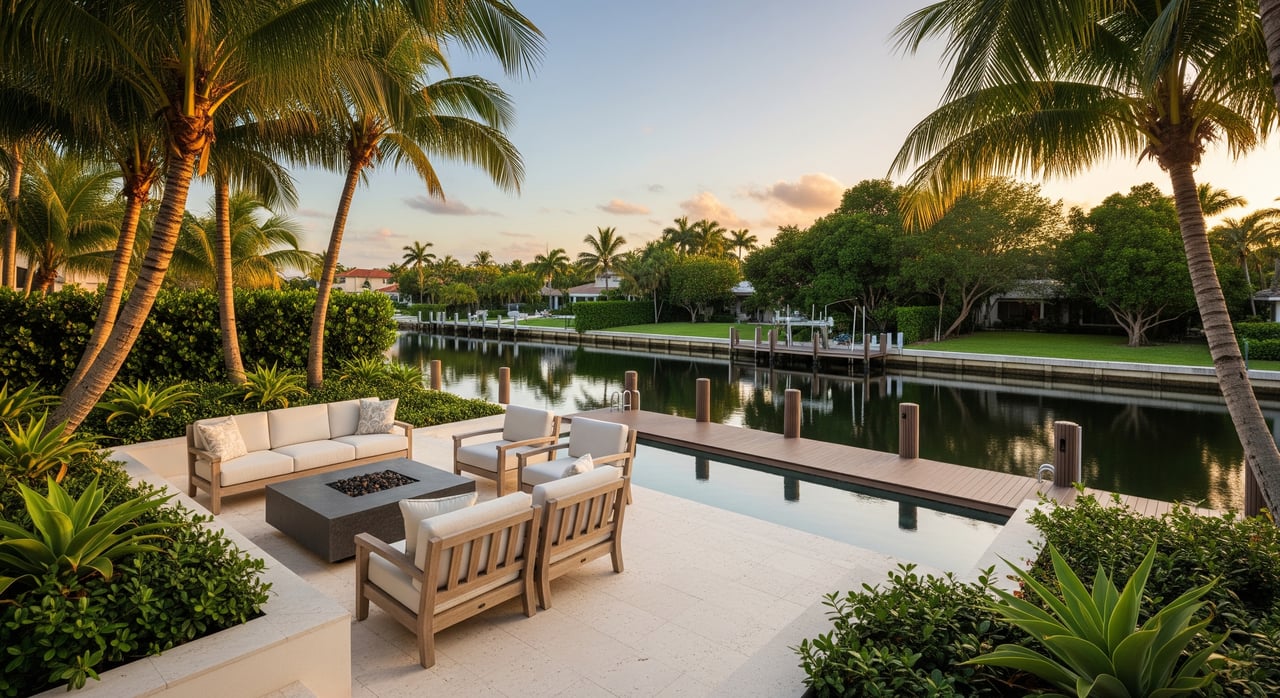
Waterfront homes in Coral Ridge range from renovated mid‑century ranches to new modern builds. Many lots are wider along the canal and include seawalls or bulkheads. A private dock can be a daily lifestyle feature if you own a boat, paddleboard, or simply enjoy water views.
- Boat access varies by canal depth and fixed bridge clearances. Larger boats require deeper canals and taller clearances. Always confirm your intended boat size against the property’s depth and bridge constraints.
- Docks and lifts may require permits, and seawall condition is a major value driver. Ask for inspection reports and any permit history.
- Expect a premium for open water views, wide canals, and faster access to the Intracoastal.
Inland homes: what you get
Inland options include single‑family homes on smaller lots and some townhomes or condos. These properties often offer easier upkeep, lower utility and maintenance costs, and simpler insurance profiles compared to many waterfront addresses.
- You’ll find more flexibility on budget, with dollars going toward interior finishes rather than marine infrastructure.
- Streets can feel quieter, depending on location, and yards can be more usable for play areas or pets.
- If you like boating but not the maintenance, nearby marinas can still give you access without owning a dock.
Cost and risk differences
The biggest gap between waterfront and inland in Coral Ridge is total cost of ownership. Waterfront properties typically carry a price premium due to the dock, direct water access, frontage, and view. You should also plan for higher insurance, flood considerations, and marine upkeep.
Key valuation drivers for waterfront:
- Dock size, water depth, and bridge clearance.
- Seawall age and condition.
- Linear feet of water frontage and view quality.
- Construction quality and elevation relative to flood risk.
Inland homes usually trade at lower prices for similar interior square footage and often have lower ongoing costs. If you value easy maintenance and predictable budgets, inland can be a strong fit.
Insurance and taxes
Every Florida buyer should review insurance early, especially near the coast. Lenders typically require wind/hurricane coverage, and many waterfront properties also require flood insurance.
- To understand flood zones and risk, use the FEMA Flood Map Service Center. Ask the seller for an elevation certificate.
- For statewide insurance context and availability, review updates from the Florida Office of Insurance Regulation.
- If private coverage is limited, some owners use the state‑backed insurer, Citizens Property Insurance Corporation.
Property taxes in Broward County are based on assessed value, so higher‑priced waterfront homes generally carry higher taxes. You can review parcel details and tax history with the Broward County Property Appraiser.
Maintenance and permits
Marine systems add upkeep and permitting steps that inland homes generally avoid.
- Seawalls and docks: Repairs, replacements, and enlargements often require permits through Broward County, and sometimes state or federal agencies. Explore Broward’s mapping and permitting resources via Broward County GIS.
- State and federal approvals: Certain marine work may involve the Florida Department of Environmental Protection and the U.S. Army Corps of Engineers.
- Salt exposure: Expect more frequent exterior maintenance on waterfront homes due to salt air and corrosion.
If you plan to remodel, confirm elevation requirements, mitigation features, and floodplain rules early. Building codes and elevation standards influence design, cost, and timelines.
Commute and daily life
Both waterfront and inland addresses in Coral Ridge offer central access to Fort Lauderdale amenities, shopping, dining, and the beach. Drive times within the neighborhood are similar, though lot location relative to main roads affects daily convenience. Waterfront streets can have seasonal boat activity and unique noise patterns, while inland streets may feel calmer depending on block and traffic.
Decision guide: which is right for you?
Use these quick filters to align your goals with property type.
Choose waterfront if you:
- Own or plan to own a boat and want private dock convenience.
- Value water views, outdoor living, and direct canal access.
- Are comfortable with higher insurance, flood considerations, and marine upkeep.
- See long‑term value in limited‑supply waterfront inventory.
Choose inland if you:
- Prefer lower carrying costs and simpler maintenance.
- Want budget efficiency focused on interior finishes and yard use.
- Plan occasional boating through a marina rather than a private dock.
- Want flexibility for future updates without marine permits.
Buyer checklist for Coral Ridge
Bring this list to showings and your offer process.
- Flood zone and elevation: Pull FEMA map details and confirm an elevation certificate from the seller via the FEMA Flood Map Service Center.
- Seawall and dock: Request age, inspection reports, and any repair or replacement records. Confirm dock permits, width, depth, and lift capacity with Broward County GIS.
- Boat size limits: Verify canal depth and fixed bridge clearances for your target boat. Check tidal influence and nearby marina services if needed.
- Insurance quotes: Get written estimates for homeowners, windstorm, and flood coverage. Review market context via the Florida Office of Insurance Regulation and, if needed, Citizens Property Insurance Corporation.
- Property taxes: Review assessed values and tax history at the Broward County Property Appraiser.
- HOA, deed, and riparian rights: Confirm any HOA rules on boats and leases. Ask your closing team to review recorded riparian rights or canal agreements.
- Past storm claims: Request insurance claim history and repair documentation.
- Utilities and drainage: Ask about sewer connections and any saltwater intrusion concerns.
- Noise and traffic: Visit at different times to gauge boat activity and neighborhood patterns.
Questions to ask the listing agent or seller
- Has the seawall or dock been repaired or replaced in the last 10 years, and are permits available? For marine work, you may also need reviews by the Florida Department of Environmental Protection and the U.S. Army Corps of Engineers.
- What is the exact linear feet of water frontage and the property’s orientation?
- Are there known flood events, storm damage, or insurance claims on record?
- Are there canal‑specific rules on boat size or leasing?
- Are there planned public works or dredging that could impact access?
How to think about long‑term risk
Buyers should evaluate flood and storm risk without alarm. Start with FEMA flood maps and elevation. Then consider tides and local conditions. Public resources like NOAA’s coastal tools can help you understand tides and water levels over time. Pair that with local inspection reports on seawalls and drainage, plus insurance quotes for a realistic view of carrying costs.
For many buyers, the waterfront lifestyle is worth the added complexity. Others prefer the simplicity and value of inland homes. Your decision should balance enjoyment, budget, and your tolerance for maintenance.
How we help you compare options
You do not have to navigate this alone. We combine hyperlocal neighborhood knowledge with hands‑on, investor‑grade execution to help you weigh tradeoffs with clarity. We’ll map your boat size and usage against canal depth and bridge clearances, coordinate marine and home inspections, pull apples‑to‑apples comps, and get real insurance quotes early so you can buy with confidence.
If you are also considering remodels or new construction, we can advise on scope, permitting pathways, and budget impacts, and align you with experienced local vendors. Whether you settle on the water or inland, you will have a clear plan for both the purchase and long‑term ownership.
Ready to compare live inventory and see how the numbers pencil out for your goals? Schedule your personalized consultation with Hanh Dinh.
FAQs
What is the main cost difference between Coral Ridge waterfront and inland homes?
- Waterfront homes usually carry higher purchase prices plus added expenses for flood and wind insurance and marine upkeep, while inland homes often offer lower carrying costs.
How do I check a Coral Ridge property’s flood risk before I buy?
- Use the FEMA Flood Map Service Center and ask for an elevation certificate, then compare insurance quotes to understand real carrying costs.
Can I keep a large boat at a Coral Ridge waterfront home?
- It depends on canal depth, dock permits, and fixed bridge clearances; verify measurements, permits, and any HOA rules before you commit.
Who approves seawall or dock work in Broward County?
- Marine projects can involve county permitting plus reviews by the Florida Department of Environmental Protection and the U.S. Army Corps of Engineers.
Where can I find property tax and assessment records for Coral Ridge?
- Search the Broward County Property Appraiser for parcel details, assessed values, and tax history.