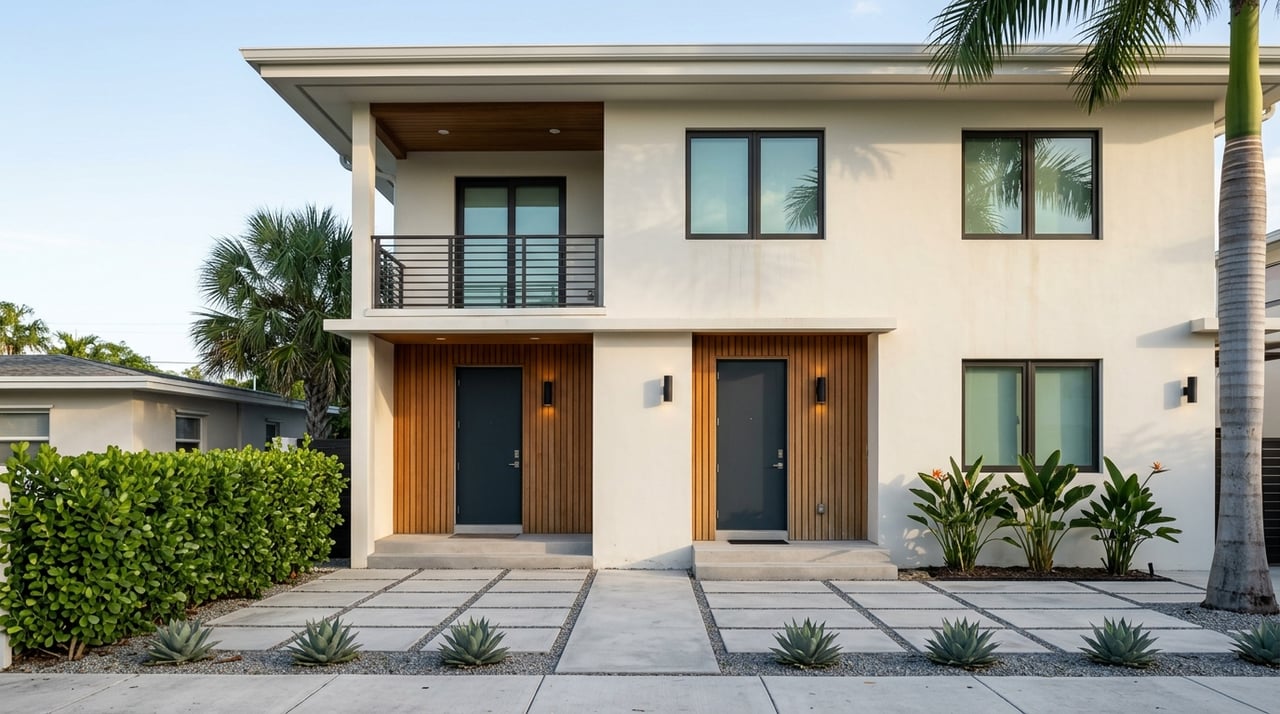
Wondering whether a Lake Ridge duplex or townhome can give you both a place to live and a smart long-term play? In this part of Fort Lauderdale, that question is worth a closer look because the answer often depends on the exact parcel, ownership structure, and rules tied to the property. If you are thinking about buying for your own use now with flexibility later, this guide will show you what to verify before you move forward. Let’s dive in.
Why Lake Ridge draws owner interest
Lake Ridge is an officially recognized Fort Lauderdale neighborhood with a mixed housing pattern and an active civic association. The city describes it as roughly half a square mile, with residential and commercial uses throughout the area and a mix of single-family and multifamily housing in the north and central portions.
That matters if you are looking at duplexes, townhomes, or smaller attached properties. Lake Ridge is not a one-size-fits-all neighborhood, so opportunities tend to be highly specific to the building, lot, and block rather than the ZIP code alone.
The city has also continued investing in the area. Recent and ongoing projects include NE 15th Avenue improvements tied to the Lake Ridge Neighborhood Mobility Master Plan and a sewer pump station upgrade expected to continue into late 2026.
For an owner, that supports the bigger picture. You are not just buying into an established in-town neighborhood, but one with active public investment that may affect daily use, access, and long-term appeal.
What counts as a townhome or duplex
Before you evaluate value, rentability, or resale, you need to know exactly what type of property you are buying. In Lake Ridge, attached housing can look similar from the street while working very differently on paper.
Fort Lauderdale treats townhomes as attached single-family units owned in fee simple. In simple terms, that means you own the land beneath the unit rather than only a condominium interest.
The city defines a duplex as two single-family units under one roof separated by a common partition. A related two-family structure is a similar two-unit building on a single lot.
A small condo can enter the mix too, even when the building feels townhouse-like. That is why you should verify whether a property is a fee-simple townhome, duplex or two-family property, or condo before you make assumptions about ownership, maintenance, insurance, financing, or future rental options.
Why ownership structure matters
The ownership format can change how you use the property and what you are responsible for after closing. Two homes that look nearly identical may come with very different rules and costs.
For example, a fee-simple townhome may offer a different ownership experience than a condo-style property. With condo ownership, Florida disclosure law requires buyers to receive documents such as the declaration, bylaws, and any covenants or restrictions that affect use of the property.
If applicable, buyers must also receive the most recent milestone-inspection summary and structural-integrity reserve study. That makes document review especially important for condo-style purchases, even in a smaller building.
Lake Ridge opportunities are parcel-specific
One of the biggest mistakes buyers make is assuming an entire street follows the same rules. In Lake Ridge, the better approach is parcel-by-parcel due diligence.
The City of Fort Lauderdale provides planning resources that include a 3D Zoning Map, the ULDR code, and a Parcel Zoning Check. Those tools can help verify zoning and property data before you write an offer.
That is especially useful in a neighborhood with mixed land use and varied housing types. If you are buying with an eye toward both lifestyle and future flexibility, broad assumptions are not enough.
Renting later takes three layers of review
Many owner-occupants ask the same question: can I live there now and rent it later? In Lake Ridge, the answer may be yes in concept, but only after you confirm three separate layers.
First, check city requirements. Fort Lauderdale says residential rental properties must be registered through LauderBuild, and the city notes that this landlord-registration system is not for vacation rentals or owner-occupied residential dwelling units.
Second, check association rules if the property is subject to one. Under Florida HOA law, members and tenants are governed by the community’s governing documents, and associations may amend those documents to regulate or prohibit some shorter rental arrangements.
Third, review the recorded documents tied to the actual property. A home may appear rentable based on zoning, but condo documents or HOA rules can still limit how, when, or how often the property can be leased.
What live-in investors should confirm
If you are buying a duplex or townhome as a live-in investment, your checklist should be more detailed than a standard home search. The goal is to confirm function, not just curb appeal.
Focus on these items early:
- Ownership type: fee-simple townhome, duplex or two-family property, or condo
- Zoning and parcel data through the city’s planning tools
- Any HOA or condo rules that affect rentals or use
- City rental registration requirements if the property will later become non-owner-occupied
- Flood zone status and potential insurance considerations
- Parking, frontage, easements, and access layout
- Estimated property taxes after a change in ownership
This kind of review can save you from buying a property that fits your plan only on the surface. In Lake Ridge, the details often decide whether an opportunity truly works.
Taxes can change after closing
If you are comparing current carrying costs, be careful with the seller’s tax bill. Broward County Property Appraiser guidance says a change in ownership resets assessed value to full market value, which can increase property taxes after purchase.
That means your future tax bill may be very different from what the current owner pays today. If you are budgeting for a duplex, townhome, or hybrid live-in investment, this step deserves real attention.
The Broward County Property Appraiser also provides tools that can help you research a parcel, including property search, sales search, maps, aerials, a tax estimator, and homestead information. For owner-occupants, that makes it easier to pressure-test monthly costs before you commit.
Homestead matters for owner-occupants
If the property will be your permanent home, homestead may be part of your planning. Broward County Property Appraiser guidance ties homestead to owner-occupancy and permanent residence as of January 1.
That is important for buyers deciding between a primary residence and a future rental strategy. A duplex or townhome can still be a strong fit, but your intended use should be clear from the start.
Flood review is part of normal due diligence
In coastal Broward, flood review should be routine. Broward County’s current flood-zone maps became effective July 31, 2024, and the county encourages residents and businesses to review the maps and consider flood insurance even when it is not required.
The City of Fort Lauderdale also notes that structures in Special Flood Hazard Areas are subject to floodplain regulations and that work in the floodplain requires a permit. For buyers in Lake Ridge, that means flood zone, elevation, and insurance questions should be addressed early.
This is not just about major renovations. It can affect carrying costs, future improvements, and your comfort level with the property over time.
Access and parking affect daily use
For attached housing, site layout matters more than many buyers expect. Fort Lauderdale’s standards for townhouses and duplexes emphasize direct vehicular access, frontage, and easements.
The townhouse code states that each townhouse unit must have vehicular access to a public right-of-way, driveway, or parking area serving the group. The duplex section also includes access-related requirements and specific entrance or garage configurations.
For you, this is practical, not theoretical. Access and parking can influence convenience today and resale appeal later, especially in a neighborhood where circulation and parking have already been identified as local concerns.
Why Lake Ridge can work for owners
Lake Ridge can make sense for owners who want more than a simple buy-and-hold decision. The neighborhood’s mix of housing types, in-town location, parcel-level zoning tools, and ongoing city investment create opportunities that can serve both personal use and long-term planning.
The key is choosing carefully. The best opportunities here are rarely generic and often depend on a close read of zoning, ownership structure, flood exposure, association rules, and access details.
If you want a home that may support future flexibility, Lake Ridge deserves a disciplined look. With the right due diligence, a duplex, fee-simple townhome, or smaller attached property can align with both your lifestyle and your investment goals.
If you want help evaluating a specific Lake Ridge property with a practical owner-occupant and investor lens, schedule your personalized consultation with Hanh Dinh.
FAQs
What makes a Lake Ridge townhome different from a condo?
- In Fort Lauderdale, a townhome is treated as an attached single-family unit owned in fee simple, while a condo involves condominium ownership and document-based obligations such as declarations, bylaws, and restrictions.
Can you rent out a Lake Ridge duplex or townhome later?
- Possibly, but you should confirm city rental registration requirements, any HOA or condo restrictions, and the recorded documents for the specific property before you rely on that plan.
How do you verify zoning for a Lake Ridge property?
- You can verify zoning and property data using the City of Fort Lauderdale’s planning resources, including its 3D Zoning Map, ULDR code, and Parcel Zoning Check.
Should you expect property taxes to stay the same after buying in Lake Ridge?
- No, Broward County Property Appraiser guidance says a change in ownership resets assessed value to full market value, which can increase taxes after purchase.
Why does flood zone matter for a Lake Ridge owner?
- Flood zone can affect insurance, permits, future improvements, and overall carrying costs, so it should be reviewed as part of normal due diligence before closing.